Node Note 2026
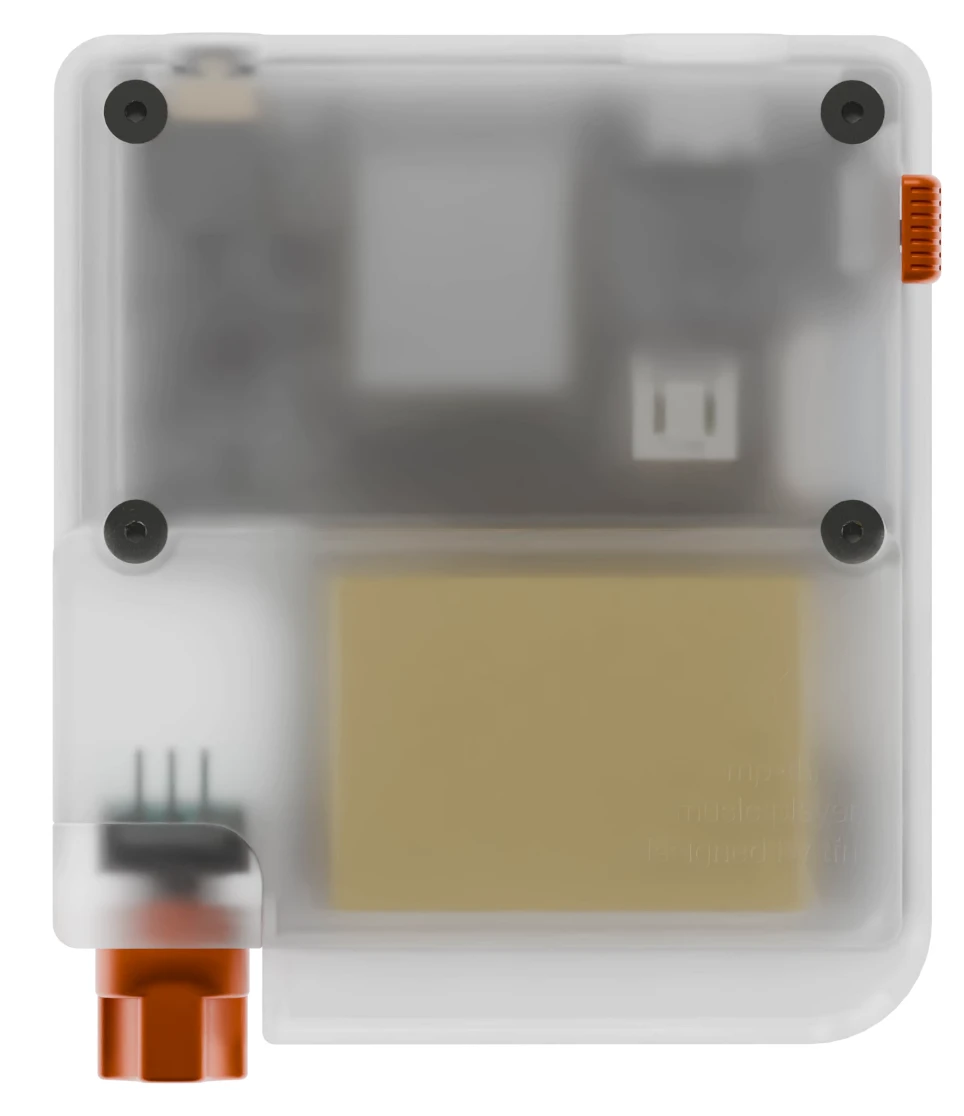
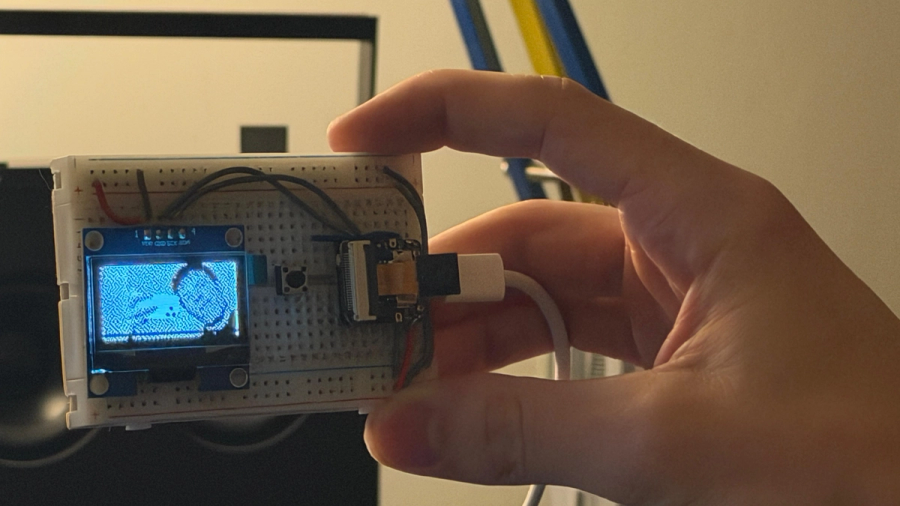
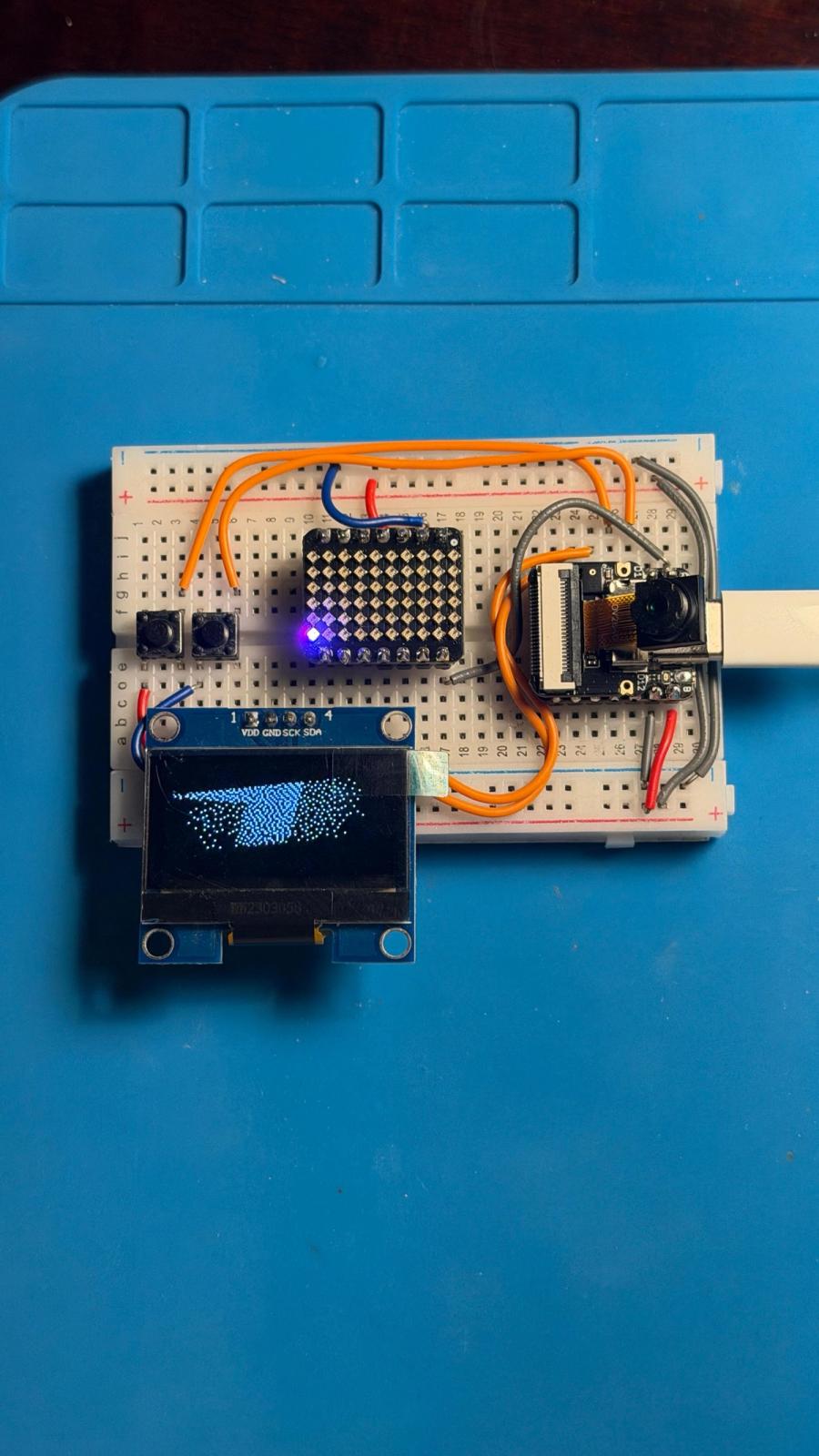

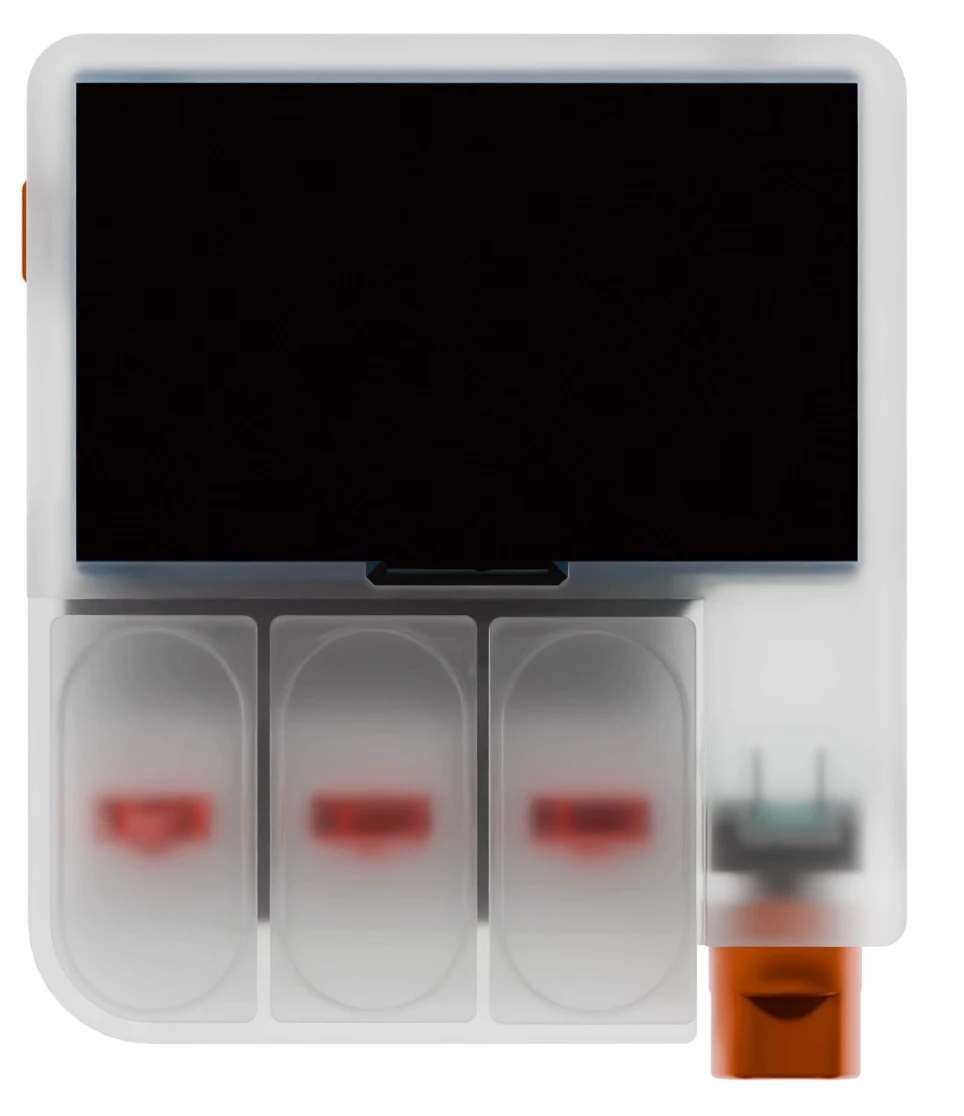
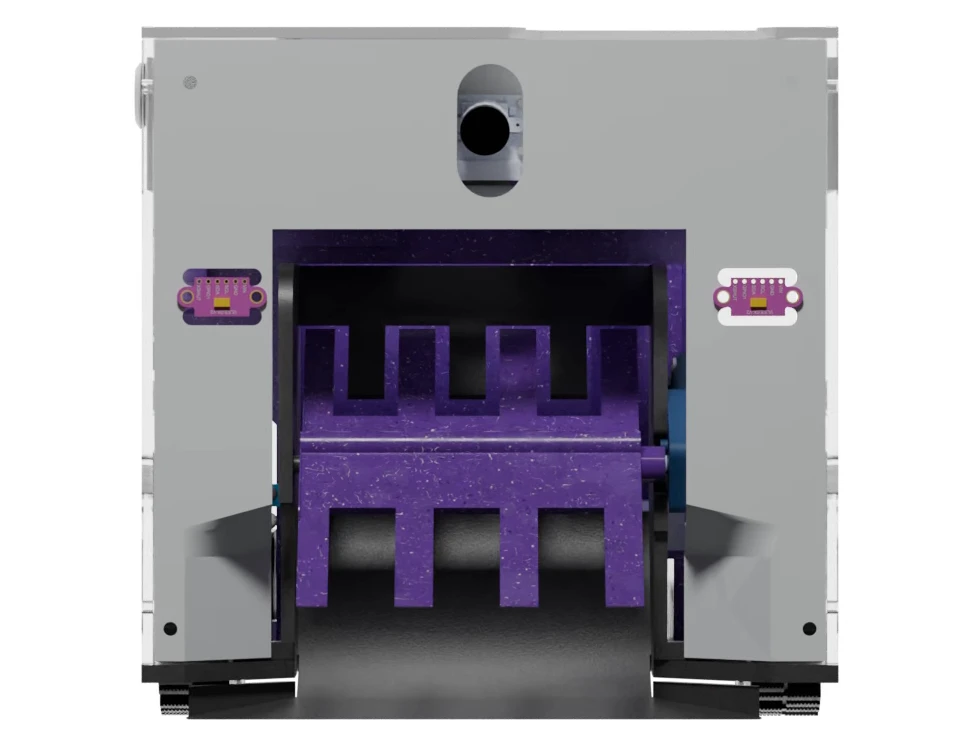
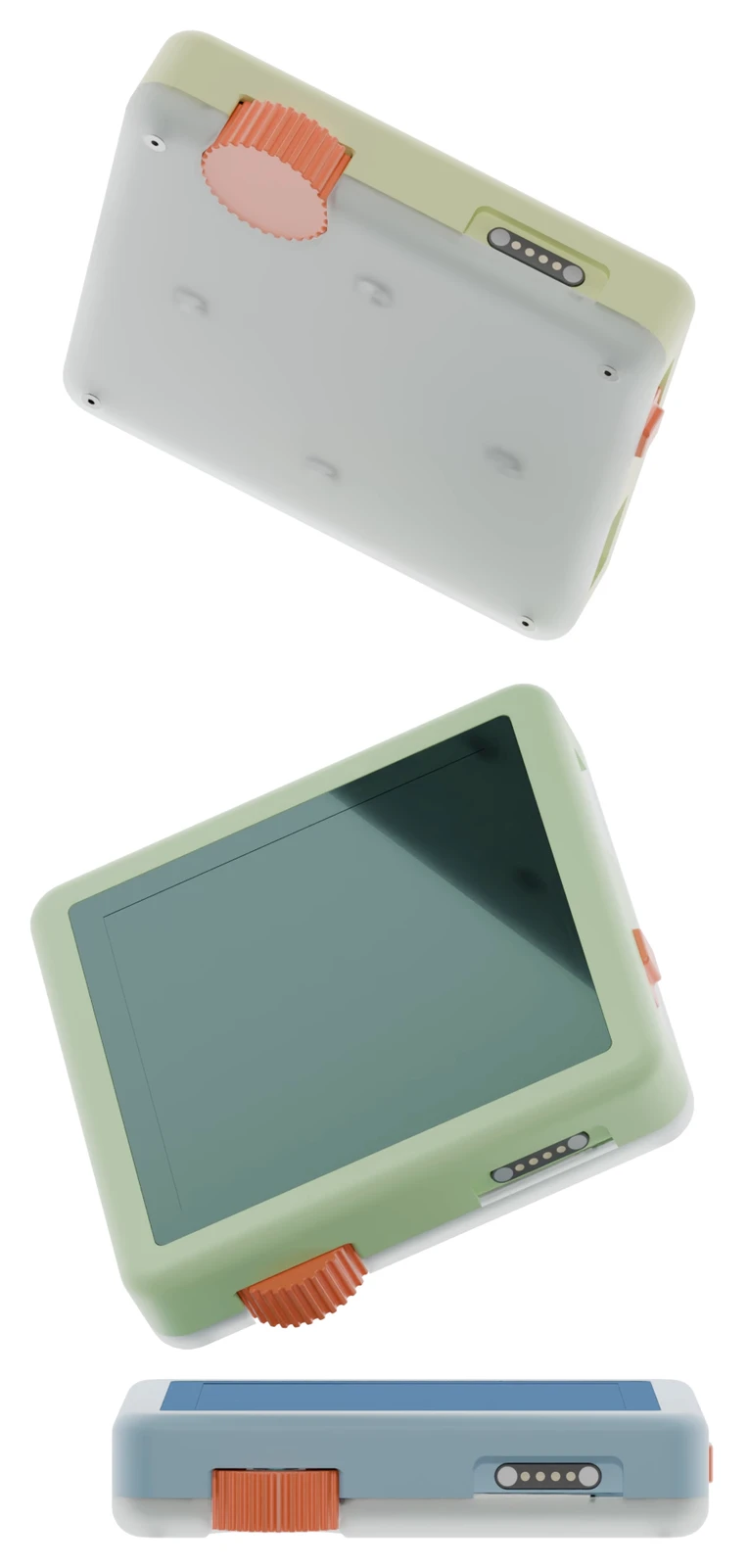
pixel-cam is a experimental interaction and hardware design project I am currently working on which aims to bring visual abstraction to a micro-camera, using image pixelation and dithering to abstract reality through photography.
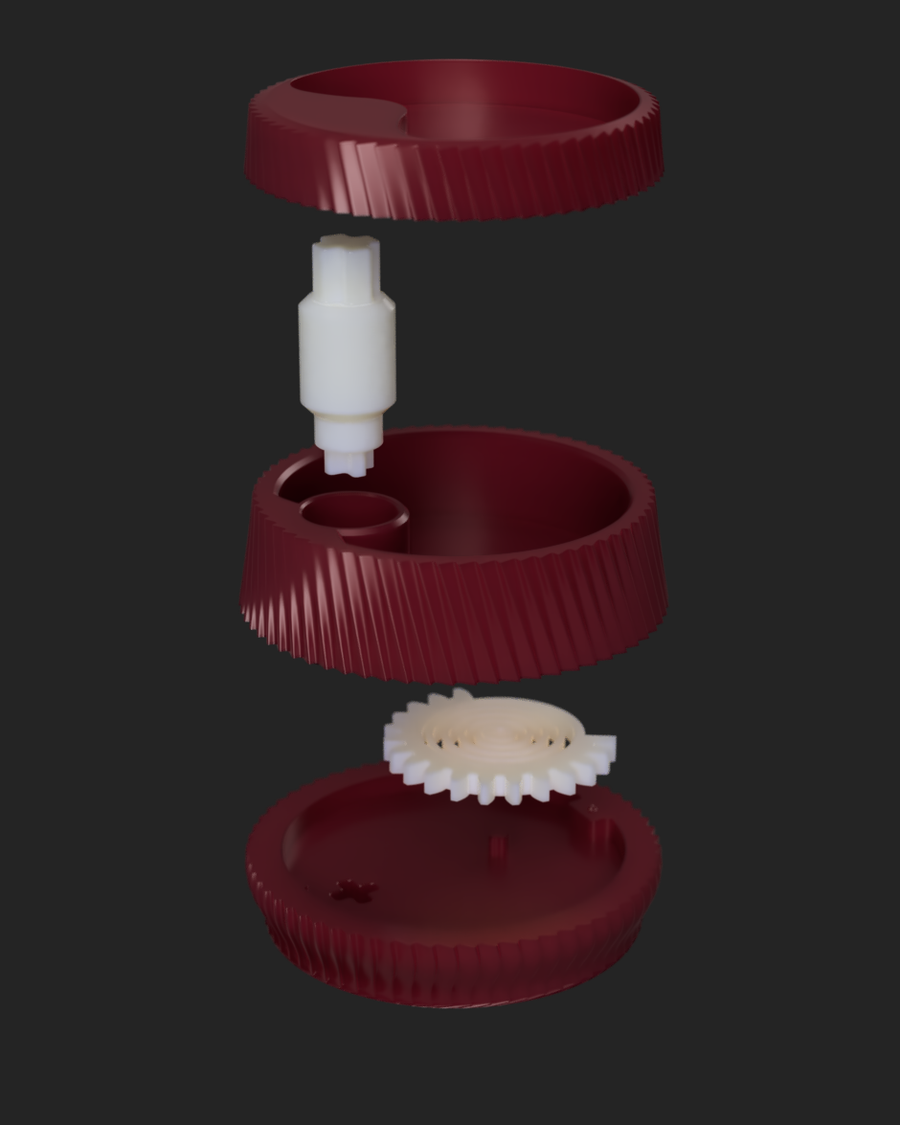
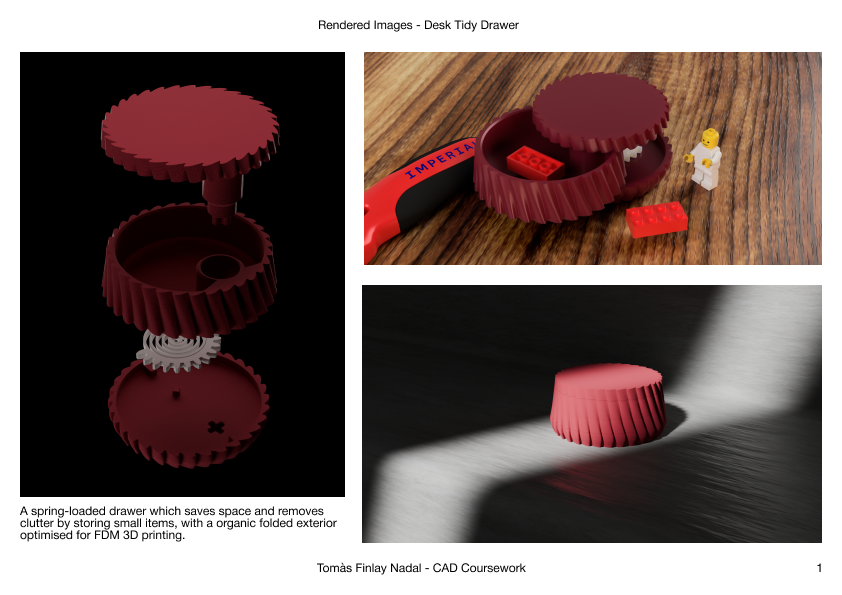
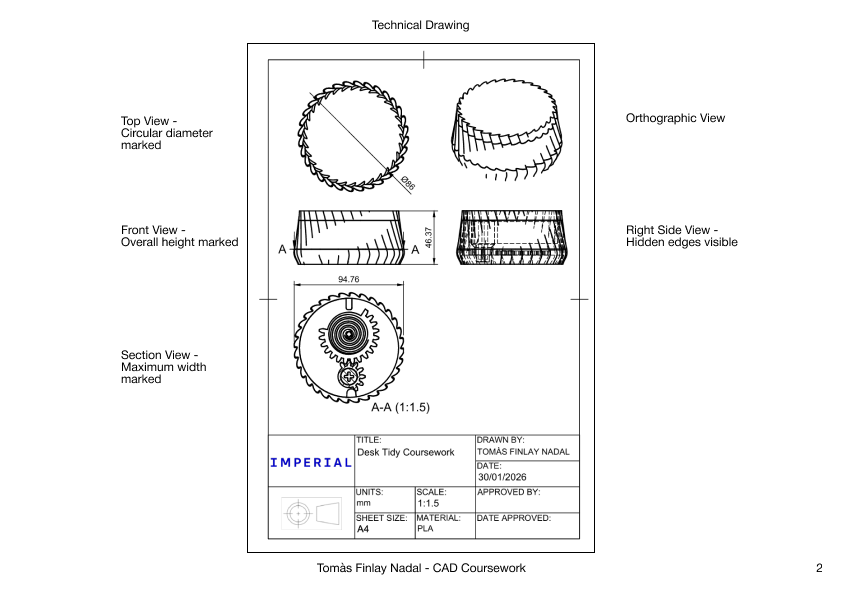
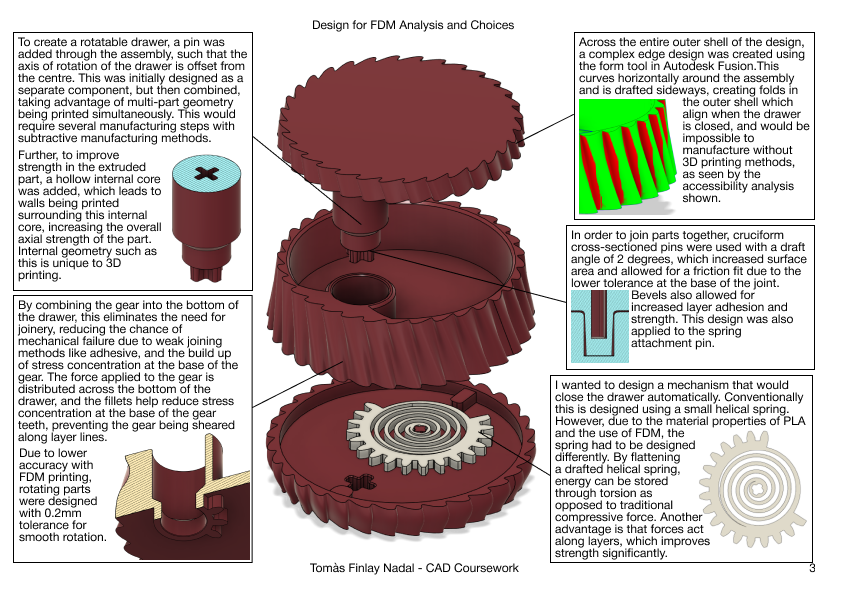

This was a coursework project I undertook which challenged me to design a 'desk tidy' object which was optimised to be 3D printed, and would be impossible to manufacture with other methods. This required a deep understanding of how 3D printers function, where excel, and where they fall short. I decided to develop a unique rotational spring designed for 3D printing, allowing a movable drawer to function in the design.

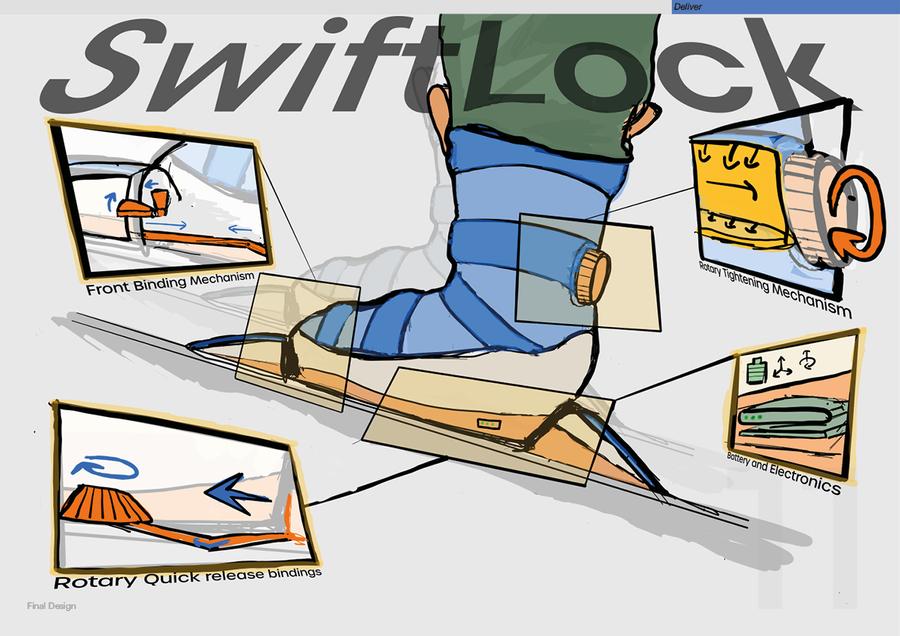
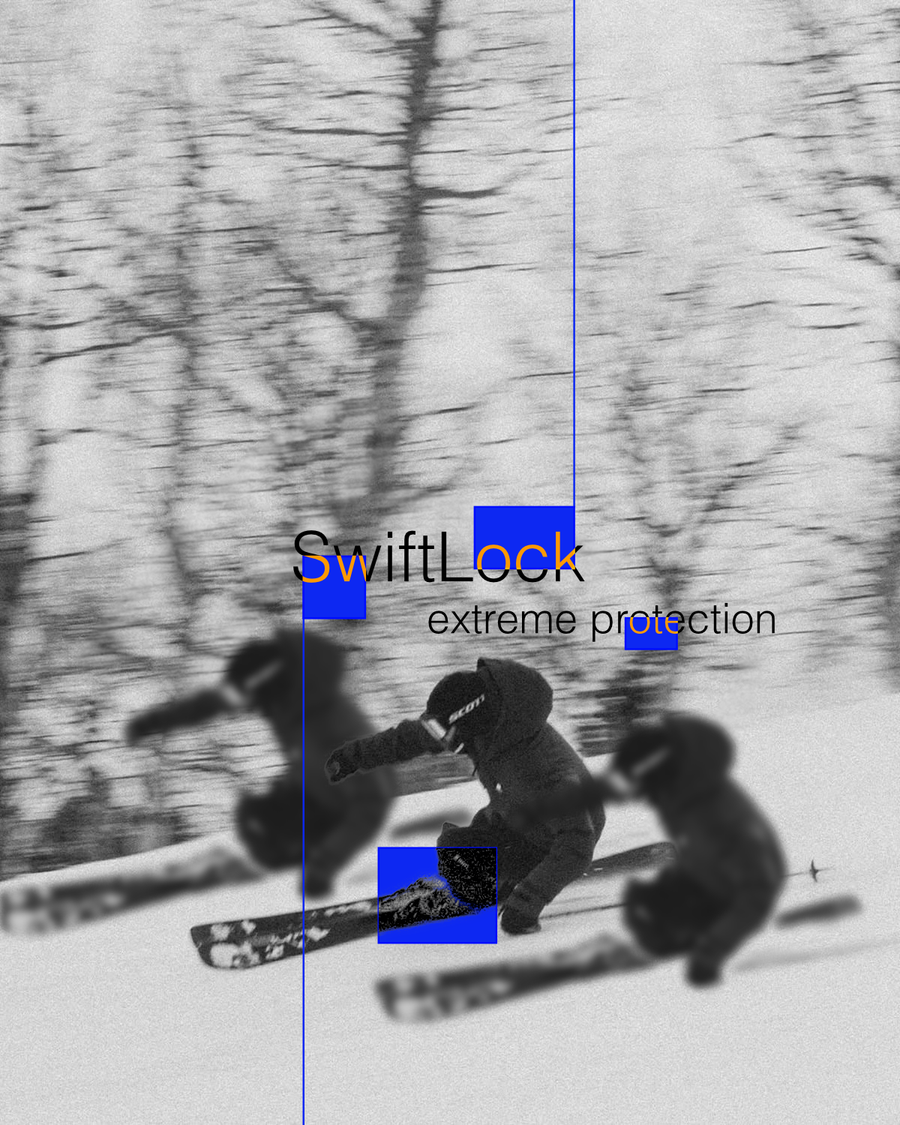

This was my Design Engineering Principles project at Imperial College London, which tasked me with developing an Answer to the prompt 'How might we innovate Footwear?'. Focusing on snowsports, I developed SwiftLock - a emergency binding release system aimed at solving knee injuries in skiing through tackling inneffective binding release. This project involved lo-fi prototyping, user and market research alongside presentation and product communication.
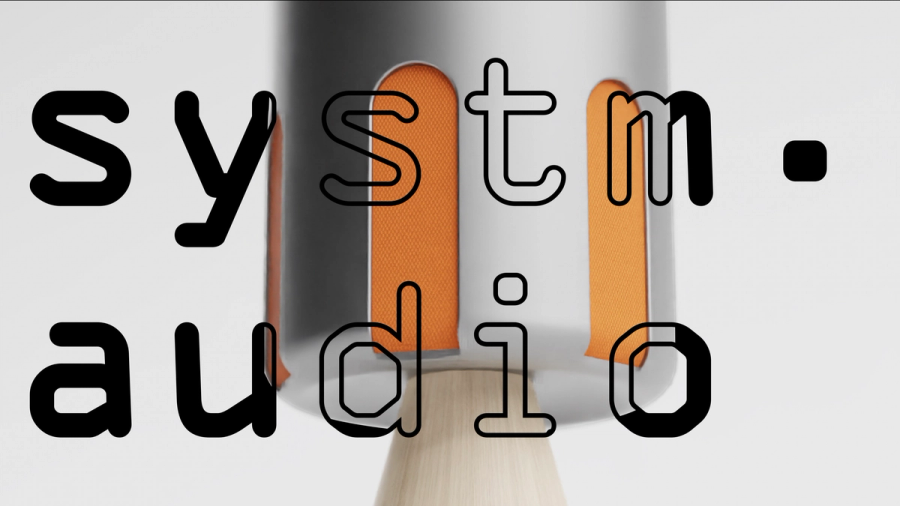
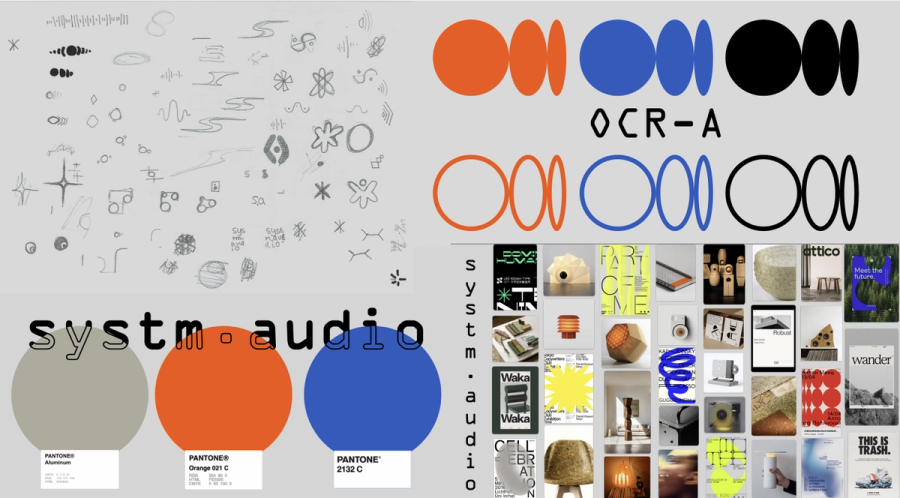
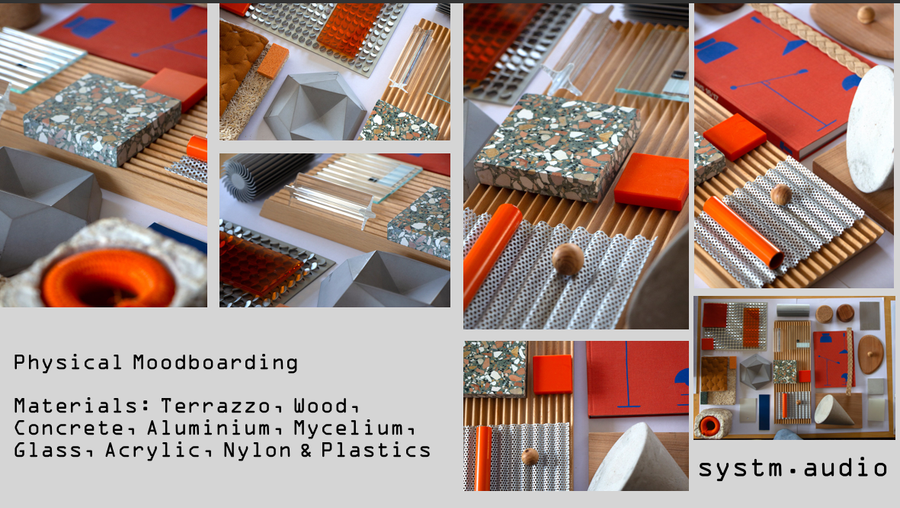
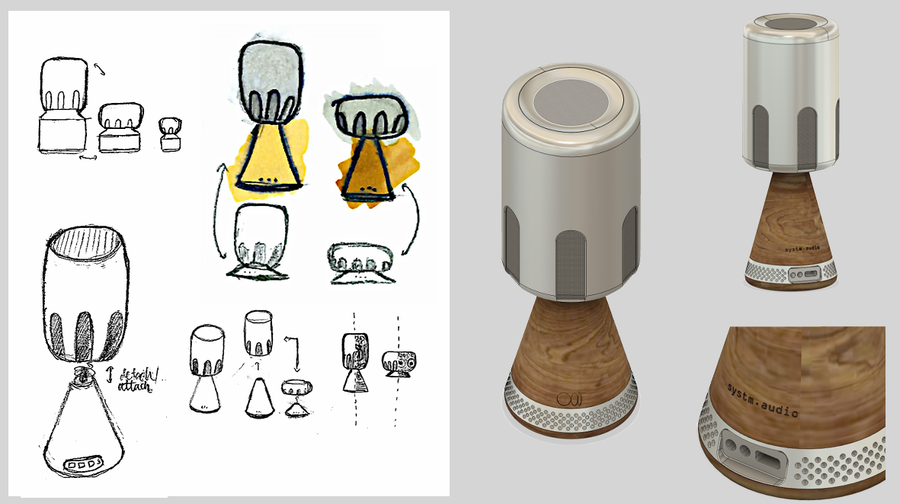
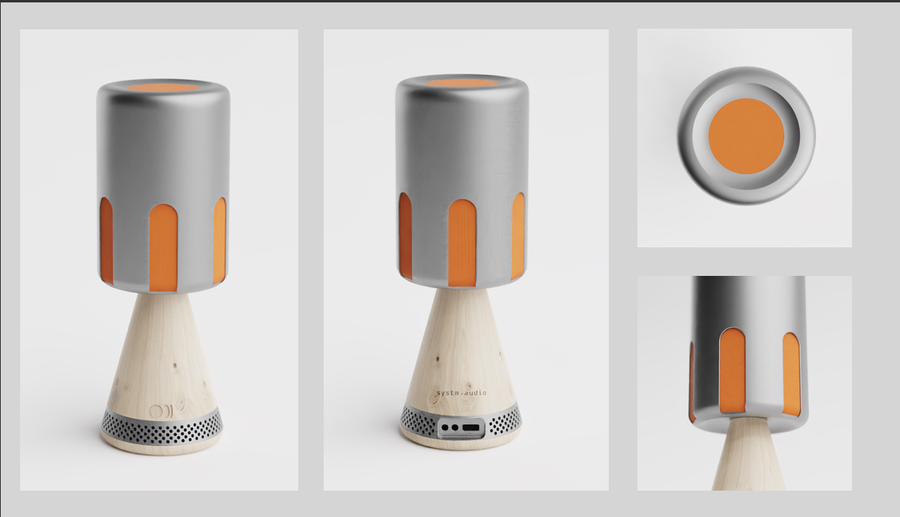




systm.audio was a brand creation and design project I undertook at forpeople, a London-based b-corp design agency focusing on vision, strategy and brand design. I began by looking at the existing market in home audio products, and choosing to develop a design-focused brand which incorporates natural materials and a modular design. This involved typography ideation, graphic design, CMF selection and product design and visualisation all within 4 days, alongside presenting the final outcome to the rest of the team.
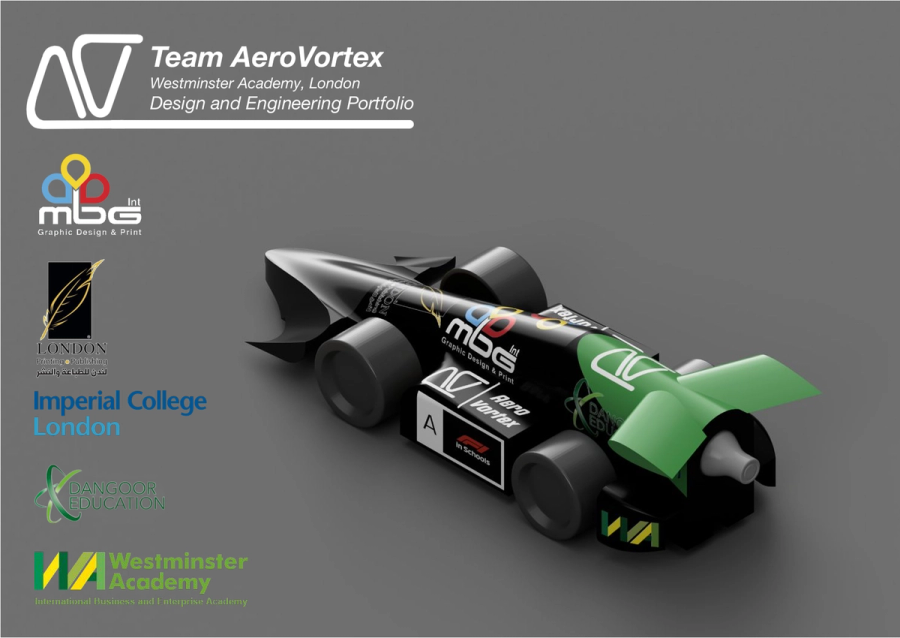
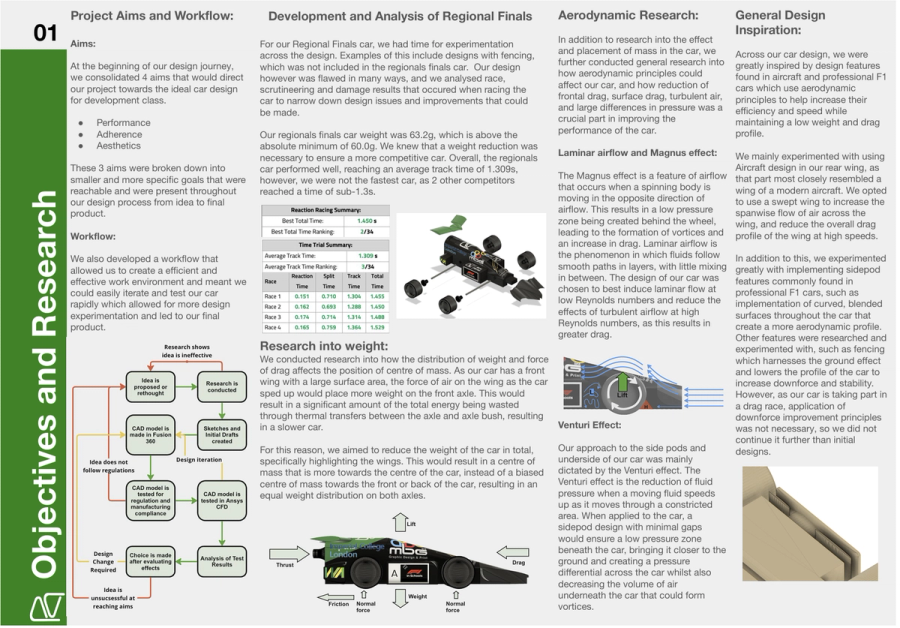
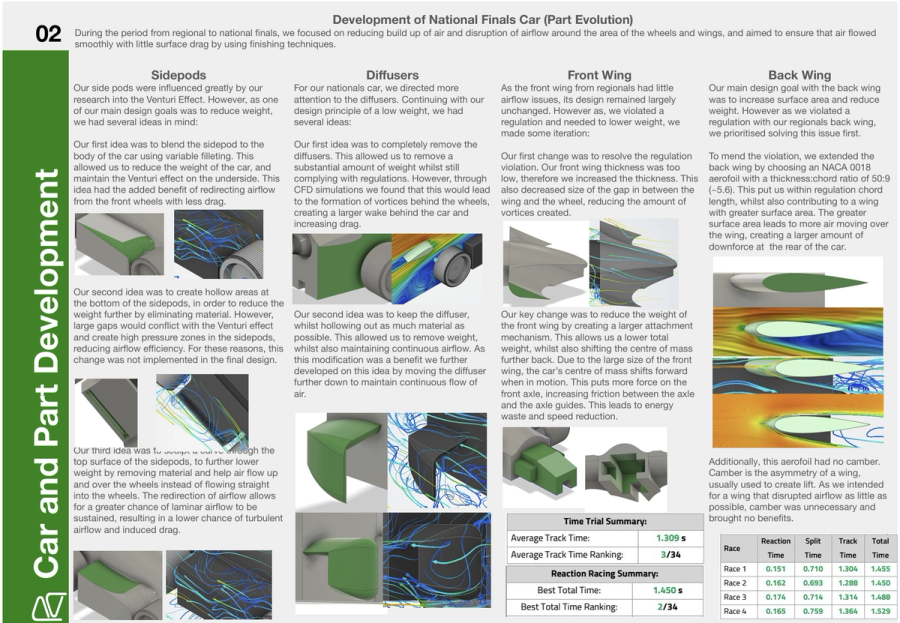
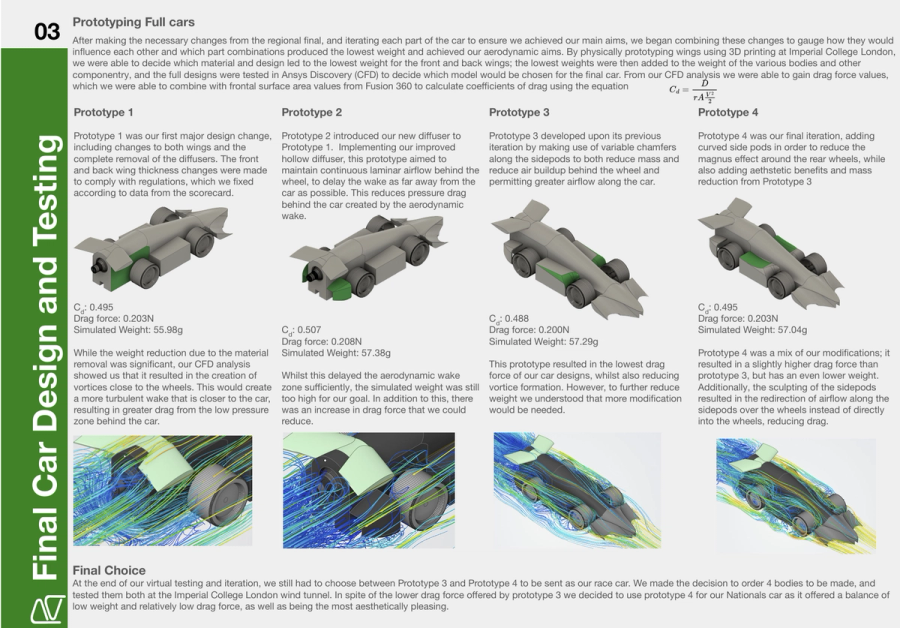

Formula 1 in Schools Engineering Competition Team - London Regional Winner and UK National Competitor. This team project was entirely self-organised and crowd-funded, requiring project organisation and oversight as the Lead Engineer and Co-Team Leader. The project itself required rapid iteration and testing from virtual CFD results and physical prototype testing. It also required a deeper understanding of materials and manufacturing processes used to produce quality-controlled cars which met regulations.